
News and Events
Showing 5 of 257 news items
Page 5 of 52
Latest Updates
News & University Events
Updates from across TNJFU.
 University News
TNJFU Foundation Day & Velaan Sangamam (VS-2026)
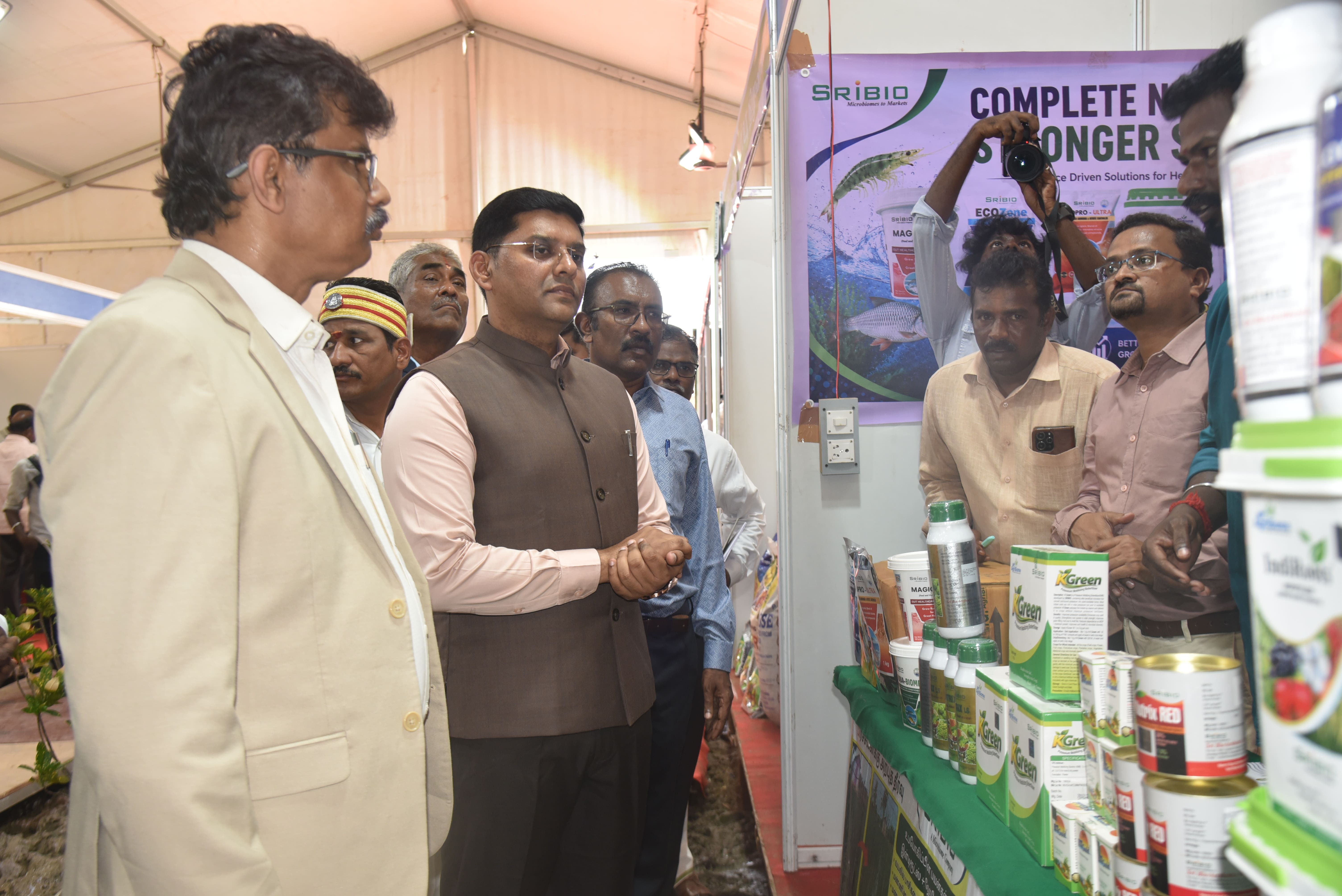
Krishi Vigyan Kendra (KVK), Sikkal, Nagapattinam, organized the TNJFU 15 th Foundation Day Celebrations and Velaan Sangamam (VS–2026) at Tamil Nadu Dr. J. Jayalalithaa Fisheries University (TNJFU), Nagapattinam on 19.06.2026 & 20.06.2026. Shri K. J. Praveen Kumar, I.A.S., District Collector, Nagapattinam, inaugurated the exhibition stalls showcasing innovative technologies, value-added products and developmental initiatives of agriculture, fisheries and allied sectors. Dr. A. Gopalakannan, DEE, TNJFU, welcomed the gathering. Felicitation addresses were delivered by Dr. P. Chidambaram, Registrar, TNJFU; Dr. R. Thamizh Vendhan, Director, TNAU–TRRI; Mr. S. Kannan, Joint Director of Agriculture; Dr. G. Kalaiarasi, Joint Director of Animal Husbandry; Mrs. R. Sharmila, Joint Director of Fisheries; and Mr. Siva Parimelazhagan, Deputy Director of Horticulture, Nagapattinam. Dr. N. Felix, Hon’ble Vice-Chancellor, TNJFU, delivered the Presidential and Foundation Day Address, highlighting the University's contributions to fisheries education, research and extension, and explained the diverse career opportunities available to outgoing students in fisheries sectors. Shri K. J. Praveen Kumar, I.A.S., District Collector, Nagapattinam, delivered the Chief Guest Address and emphasized the importance of scientific farming, technology adoption and interdepartmental coordination for rural development. The programme concluded with a vote of thanks by Dr. V. Senthilkumar, Senior Scientist & Head, KVK, Sikkal. The event witnessed enthusiastic participation from farmers, scientists, students, entrepreneurs and officials from various departments. As part of Velaan Sangamam (VS–2026) organized by ICAR–Krishi Vigyan Kendra, Nagapattinam at Tamil Nadu Dr. J. Jayalalithaa Fisheries University (TNJFU), a series of technical sessions were conducted for the benefit of farmers, students and stakeholders from agriculture and allied sectors. Dr. R. Shankar, Dean, PAJANCOA & RI, Karaikal, delivered a lecture on “Natural Farming for Living Soils”, while Dr. K. Jagadeesan, Associate Professor & Head, VC & RI, TANUVAS, Theni, spoke on the Role of pastoralism in conserving native livestock breeds. Crop insurance schemes by Mr. Arun, United India Insurance Company. Mr. Santhosh, Senior Research Fellow, FC&RI, Thoothukudi, explained about the PM-MKSSY Scheme. An interactive session on El Nino mitigation measures in the Cauvery Delta region was conducted by Delta Weatherman Mr. R. Hemachander, who shared weather- based advisories and climate-resilient strategies with farmers and stakeholders. On the second day, 20.06.2026, the programme featured awareness campaigns on “Khet Bachao Abhiyan” (Save Agricultural Land Campaign) and Balanced Fertilizer Use, live webcast of the 23rd installment release of PM-KISAN Samman Nidhi by the Hon’ble Prime Minister of India, technical sessions on Natural Farming for Healthy Living, and Smart Pest Shield for the Cauvery Delta, covering topics such as major crop pests, beneficial insects, insect life cycles, biological pest management, safe use of pesticides and Fish Culture experiences by progressive farmer. The event also included awareness sessions on various farmer-oriented schemes and financial services offered by State Bank of India and Indian Overseas Bank, an awareness programme by Sharn Food Company, technical lectures on profitable fish farming, and interactive discussions between farmers and scientists. Farmers visited and benefited from more than 30 exhibition stalls showcasing technologies and innovations related to agriculture and allied sectors. The programme was graced by distinguished dignitaries including the Joint Director (Extension), Directorate of Extension, Ministry of Agriculture & Farmers Welfare, Government of India, the Regional Manager of State Bank of India, the Senior Regional Manager of Indian Overseas Bank, and a leading Natural Farming Practitioner, who delivered technical lectures and interacted with participants. More than 2,000 participants, including farmers, farm women, rural youth, and entrepreneurs from the Cauvery Delta region, attended the event and benefited from the various technical sessions, exhibitions, and interactions. The programme provided a valuable platform for knowledge sharing and dissemination of scientific technologies for sustainable development of agriculture, fisheries and allied sectors.
Read full article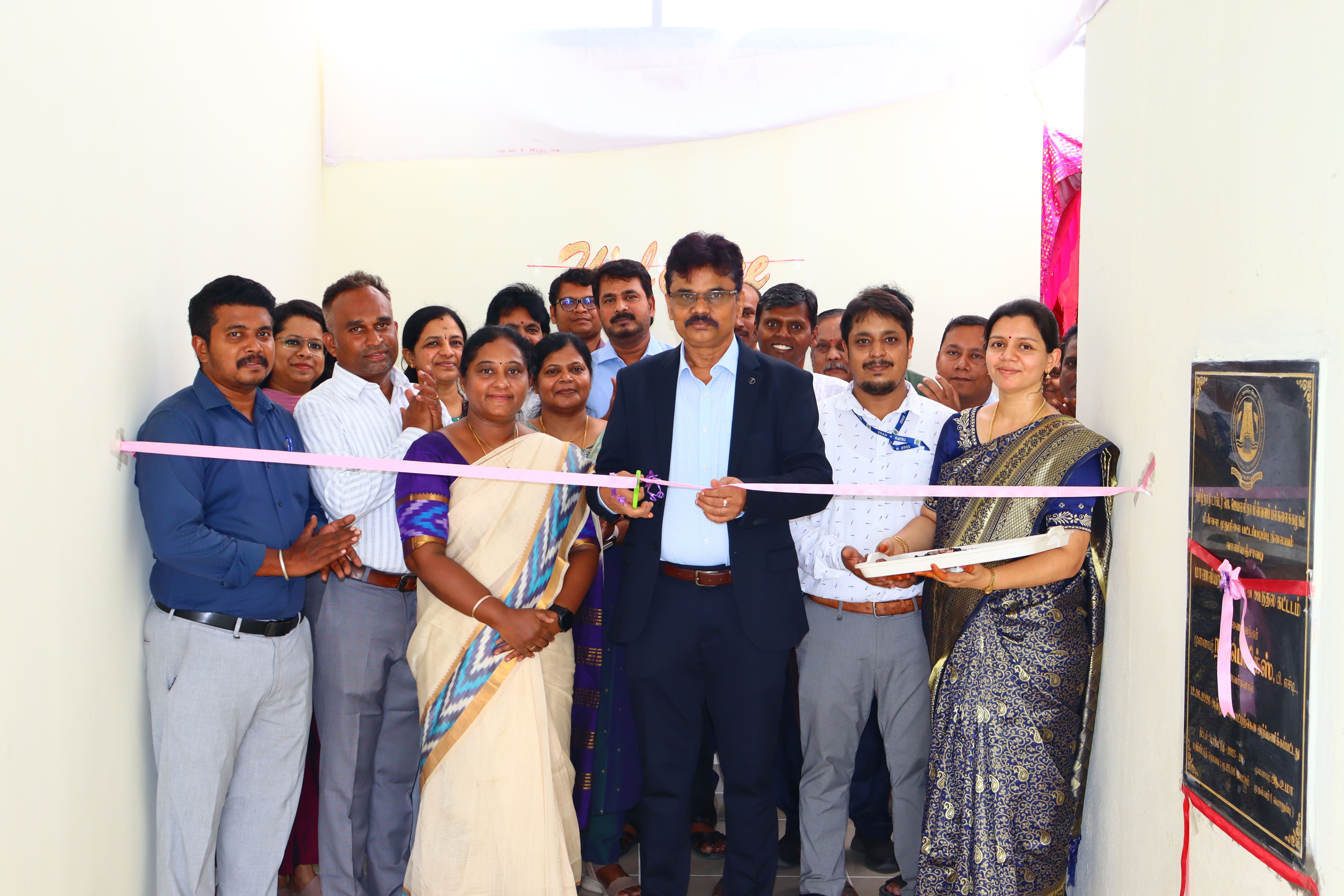 University News
IFPGS Hostel Inauguration
Hon’ble Vice Chancellor, Dr. N. Felix inaugurated the newly constructed additional block of the Girls' Hostel of the Institute of Fisheries Post Graduate Studies (IFPGS) on 12.06.2026. During his visit, shrimp seeds were released in the lined ponds of the Brackishwater Research Farm Facility (BRFF). He also planted tree saplings in the campus, promoting environmental sustainability. The visit encouraged the faculty, staff and students and reflected the University's commitment to academic excellence and sustainable development. All teaching staff, non-teaching staff and students attended the programme.
Read full article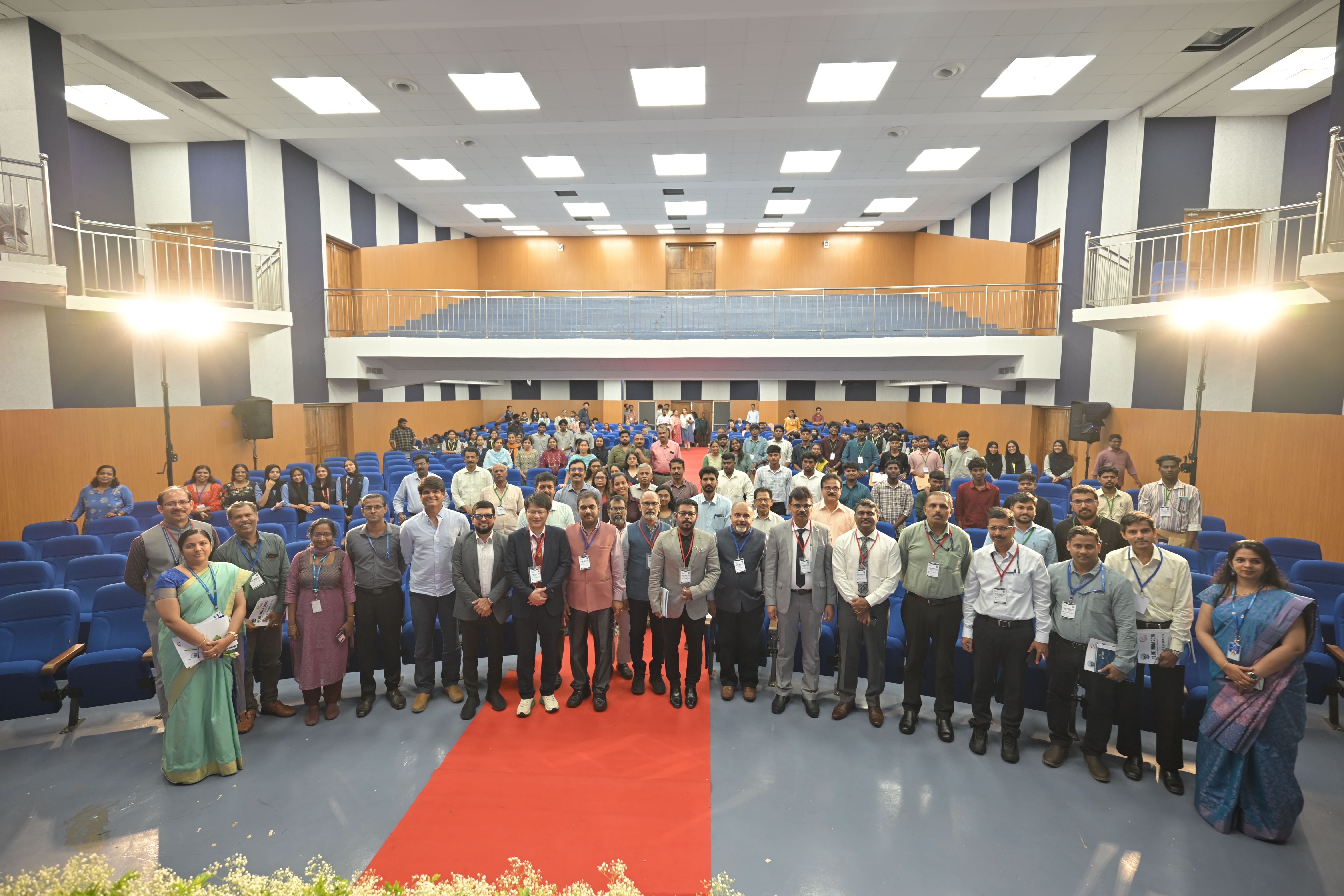 University News
Memorandum of Understanding (MoU) Between Tamil Nadu Dr. J. Jayalalithaa Fisheries University, Nagapattinam (TNJFU) and Kerala University of Fisheries and Ocean Studies (KUFOS), Kochi
Tamil Nadu Dr. J. Jayalalithaa Fisheries University signed a Memorandum of Understanding (MoU) with the Kerala University of Fisheries and Ocean Studies, Kochi on 04.06.2026 during the inaugural function of Blue India 2026: International Conference and Expo on Blue Economy, held at Kerala University of Fisheries and Ocean Studies, Kochi for facilitating Student’s Training / Post Graduate, Doctoral and Faculty Research. The Hon’ble Vice-Chancellor, TNJFU inaugurated the Blue India 2026: International Conference and Expo on Blue Economy, and delivered the inaugural address. A healthy ocean feeds over 3 billion (300 crore) people. In 2020, the ocean economy added $2.6 trillion to the global economy, which is expected to double by 2050. It also supported 100 million (10 crore) full time equivalent jobs, half of which were in marine and tourism sectors, and over a quarter were in the marine fisheries and aquaculture sectors. In addition maritime transport sustained 5 million (50 lakh) jobs. The potential of the blue economy to create additional jobs remains high. Aquaculture could generate 22 million (2.2 crore) new jobs by 2050. Despite its importance, the health of the ocean is under threat. Our Ocean faces multiple threats. Warming waters and increasing acidification are disrupting marine ecosystems and jeopardising the vital role the oceans in regulating earth’s climate. Rising sea levels, more intense storms and coral bleaching are just some of the alarming consequences of these changes. Global sea levels rose 35% faster than expected in recent year (2024) amplifying risks for low-lying countries. It is to be noted that 680 million (68 crore) people are living in low-lying coastal areas. Marine heat waves engulfed nearly 40 million (400 lakh) square kilometres of ocean, driving the largest and most intense bleaching event on record (2023-25) affecting 84% of the World’s coral reef. An estimated 15 million (150 lakh) metric tonnes of plastic waste enter the ocean every year. The blue economy offers a Symbol (beacon) of hope where we harness the vast potential of the ocean for sustainable economic growth utilising ocean resources responsibly, restore and protect this precious ecosystem, delivering jobs and food. The blue economy comprises established industries (traditional sectors) such as maritime transport and shipping, fisheries and aquaculture, coastal tourism, offshore oil and gas, defence. Emerging opportunity – Exciting innovation are driving new sectors within the blue economy. Renewable energy (wind, waves, tides), marine bioprospecting & biotechnology (new medicines, biofuels), seabed mining (extracting valuable minerals), carbon sequestration – utilising the ocean’s capacity to absorb and store carbon dioxide from the atmosphere. India possess immense potential with a vast coastline of 11,098 km spanning nine coastal states and four Union Territories, along with an Exclusive Economic Zone (EEZ) exceeding 2 million square kilometres. Recognizing this potential, the Vision of a New India identifies the Blue Economy as one of the ten core growth sectors, targeting a contribution of US$100 billion by 2030 and key pillar of the Viksit Bharat mission, because the Blue Economy is expected to drive substantial GDP growth, generate sustainable employment, and enhance the livelihoods of coastal communities. A robust investment strategy is key (central) to realizing this vision. The enablers expected to accelerate India's Blue Economy and help achieve its projected contribution of INR 5 lakh crore (US$52.65 billion) by 2035 are strong inter-ministerial coordination, skilled human resources, cutting-edge research capabilities, tech startups, public and private investments, and vibrant public–private partnerships are essential. As far as fisheries sector is concerned India’s fisheries sector has experienced remarkable growth. It grew at an impressive annual rate of 9%. This impressive program has been made possible through the effective implementation of flagship initiative such as blue revolution, PMMSY, FIDF, PMMKSSY and Blue Economy 2.0. One key area identified is Deep sea fishing. The EEZ holds an estimated 7.16 million (71.6 lakh) tonnes of fishing resources including high value species such as Tuna, Bill fish and deep sea shrimp. These resources offer immense potential for economic expansion and job creation. We need to promote deep sea and offshore fishing. There are challenges. Lack of database for stock assessment, Advanced fish finding technologies, infrastructure deficiency in harvesting, landings and post harvest infrastructure, vessel monitoring and communication systems, high operational cost, capital cost. But there are countries doing great job in deep sea fishing overcoming the challenges. China has been undisputed leader in deep-sea fishing. Key learnings from some of countries like China in developing a sustainable and economically viable deep sea fishing industry are Science based management through robust data collection and stock assessment, regulatory frameworks for gear restrictions and catch limits, collaborative governance by engaging with stakeholders, capacity building of fishers for responsible operations through investment in modern fleets, international cooperation to combat illegal fishing and manage shared resources, and adopting ecosystem based approach for sustainable fisheries management. Marine biotechnology/bioprospecting, seaweed farming and aquaculture are other important areas we need to concentrate. The advantage of aquaculture is the lowest carbon footprint and lowest greenhouse emissions (GHG) of all animal protein production sectors (excluding shrimp farming). What is the responsibility of universities in blue economy especially in fisheries sector is 1. Production of quality human resources 2. Doing translational research resulting in commercialised technologies and patents 3. Capacity building and production of skilled personnel. Let us work together to strengthen India's blue economy and contribute meaningfully to the nation's journey towards becoming a developed country.
Read full article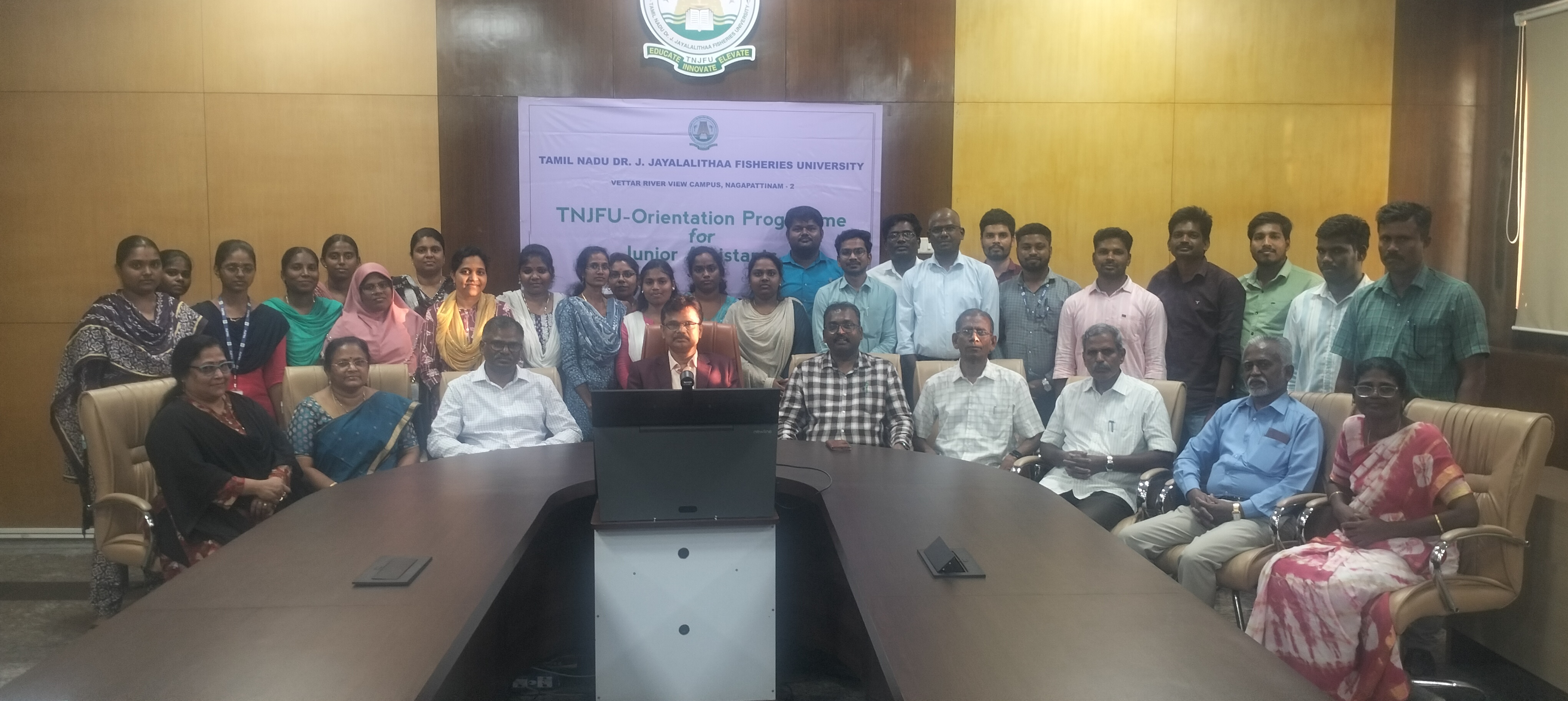 University News
Orientation Programme for Non-Teaching Staff
The Orientation Programme for newly recruited Steno, Junior Assistants and Typist of Tamil Nadu Dr. J. Jayalalithaa Fisheries University (TNJFU) was conducted on 17.04.2026 presided over by Dr. N. Felix, Vice-Chancellor at the Board Room, TNJFU, Nagapattinam. A total of Twenty five newly recruited Steno, Junior Assistants and Typist participated in the programme along with University Officers. The Vice-Chancellor in his opening remarks, emphasised the work culture. Every staff member should demonstrate honesty, integrity, responsibility, accountability, confidentiality, proper resource use, team work, willingness to work and adaptability for the growth and development of the University. All the newly recruited Steno, Junior Assistants and Typist were self-introduce them before starting the session. After that the session had the presentations delivered by the Accounts Officers (Retired), Manager, and Superintendent (Retired). 1 University Rules and Regulations Th.Dhanushkodi Asst. Accounts Officer (C) 2 Education Rules & Regulations Tmt. Kurinchi Malar Manager 3 Institution Procedures (Establishment) Th. Sampath Superintendent (C) 4 Financial Rules and Procedures Th.Seen Mohammed Accounts Officer (C) Finally, Dr. Cheryl Antony, Director i/c., DSA, TNJFU, Nagapattinam proposed the vote of Thanks.
Read full article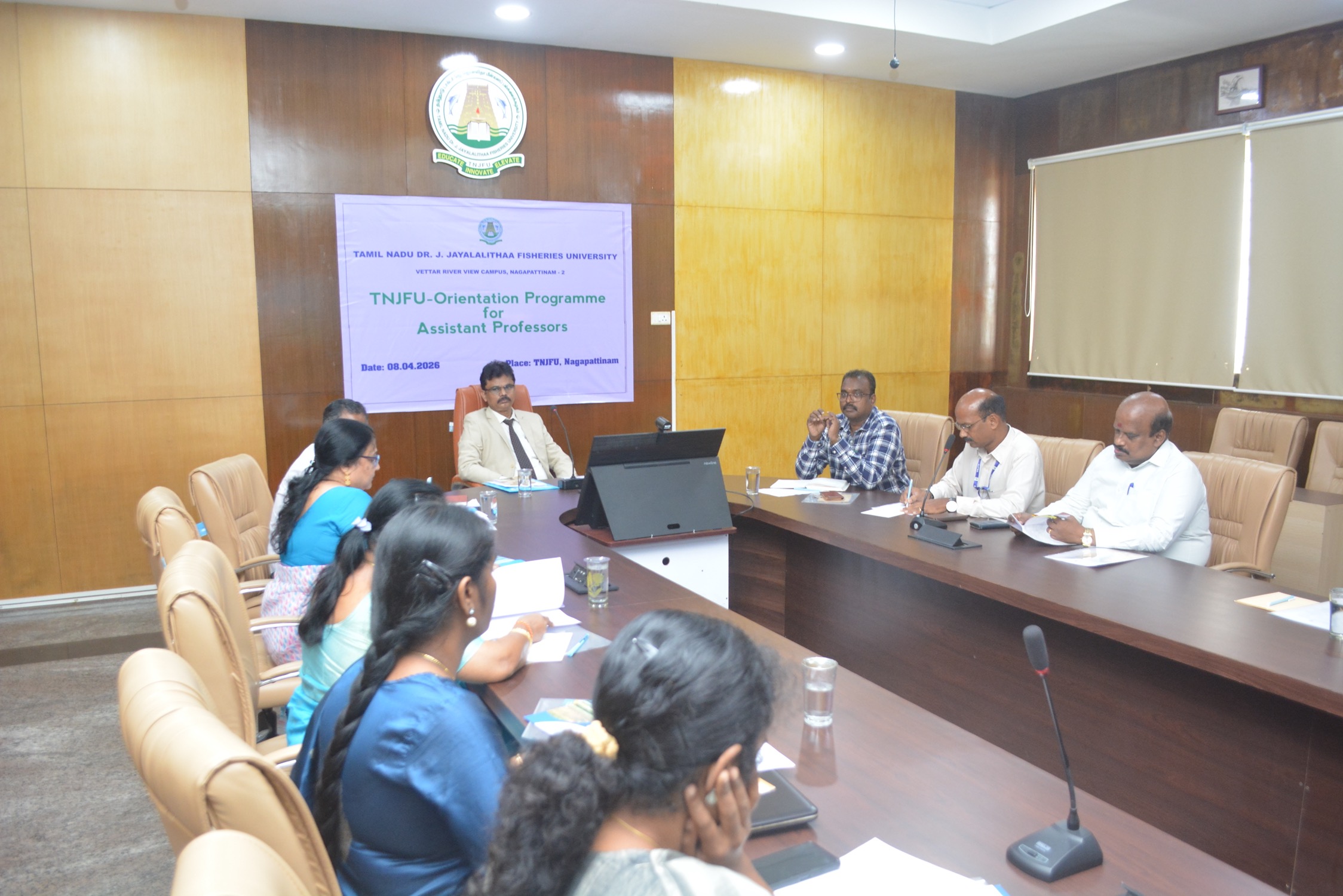 University News
Orientation Programme for New Assistant Professors
The Orientation Programme for newly recruited Assistant Professors of Tamil Nadu Dr. J. Jayalalithaa Fisheries University (TNJFU) was conducted on 08.04.2026 presided over by Dr. N. Felix, Vice-Chancellor at the Board Room, TNJFU, Nagapattinam. A total of fourteen newly recruited Assistant Professors participated in the programme along with University Officers. The Hon’ble Vice-Chancellor delivered the inaugural address and the key points are highlighted as follows; The role and responsibilities of Assistant Professor. Assistant Professor is a noble profession focus on developing human resources. Follow Professional ethics. Work extra hours and Saturdays as and when necessity arises. Identify subject area of specialisation and be an expert/Master so that you willbe recognised at National and International levels. To become an expert, cultivate the habit of continuous deep learning of books,research papers and latest developments. Avoid superficial or diluted work culture. Participate in faculty development programmes at National and International levels to acquire fresh perspectives and build networks. Act as a mentor rather than a teacher and aim for students’ holistic development. As far as education is concerned arrange guest lectures, organize field and industry visits, and encourage students for employment in Industry, Overseas, Administrative service and to become entrepreneurs. As far as research is concerned, improve Scopus H index, national and international collaborative research projects; technology and patents. Concentrate in Consultancy projects in later part of your career. The documentation and publications of success stories should be the final outcome of any extension activity. In the morning session all the newly recruited Assistant Professors were present their three years action plan. The afternoon session had the presentations delivered by the respective university officers; 1 University Rules and Regulations & Institution Procedures Dr. P. Chidambaram Registrar, TNJFU, Nagapattinam 2 Examination and Evaluation Dr. P. Padmavathy Controller of Examinations i/c, TNJFU, Nagapattinam 3 Research and Funding Opportunities Dr. N. Jayakumar Director of Research i/c, TNJFU, Nagapattinam 4 Extension Activities & KVK Dr. A. Gopalakannan Director of Extension Education i/c, TNJFU, Nagapattinam 5 Financial Regulations and procedures Dr. K.S. Muthupandian Finance Officer i/c, TNJFU, Nagapattinam 6 Constituent Colleges and Academic Programmes and Technical Directorates Dr. Cheryl Antony Director i/c, DSA, TNJFU, Nagapattinam Concluding Remarks by the Hon’ble Vice-Chancellor, TNJFU, Nagapattinam. Develop problem solving skills. Produce graduates letter prepared for employment and research. Publish high impact factor journals. Aim for more citations per paper. Aim to develop technology and patents and commercialization. International collaboration. Success Stories. Consultations projects. All Assistant Professors were instructed to revise and resubmit the three-year action plan (2026–2028) with clear timelines, quantified targets, and tentative research titles. Action plans should include detailed commitments in improvement in Scopus index, research proposals, publications, extension activities, and innovative teaching methodologies. All faculty members were directed to submit CMRG project proposals within April 2026 without fail. Finally, Dr. Cheryl Antony, Director i/c., DSA, TNJFU, Nagapattinam proposed the vote of Thanks.
Read full article